
"Guatemalan beans"
3000 article(s) found

Is the Guatemalan coffee good? what kind of cake is the most suitable for Guatemalan coffee beans?
Professional coffee knowledge exchange more coffee bean information please follow the coffee workshop (Wechat official account cafe_style) front street-Guatemala coffee, cake with brief introduction Guatemala has seven major coffee producing areas of Guatemala coffee beans are all Arabica, are located in the subtropical climate of the highland topography, rich and stable rainfall, fertile volcanic ash soil, making Guatemala
The story of Guatemalan coffee beans is so mysterious. How can Guatemalan coffee taste?
Professional coffee knowledge exchange more coffee bean information please follow the coffee workshop (Wechat official account cafe_style) front street-Guatemalan coffee story, tasting introduction a cup of Guatemalan Antigua coffee, seems to let us see the sudden disappearance of the mysterious Mayan people thriving in ancient lands, history brushed their existence, history made their forever. If we say

Flavor characteristics of fine Guatemalan coffee beans Starbucks Guatemalan coffee beans
Antigua coffee from Guatemala must be on the menu of some upscale cafes. People who like it always keep in mind its special smoke smell. Coffee has created prosperity for Guatemala. To this day, coffee still affects the Guatemalan economy. Antigua is the oldest and most beautiful city in America. As early as 1543
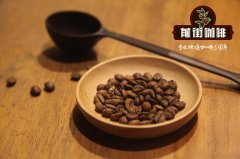
What are the characteristics of Guatemalan coffee beans the taste of Guatemalan coffee
Professional Coffee knowledge Exchange more information on coffee beans follow the Coffee Workshop (Wechat official account cafe_style) Front Street-Coffee Guatemala is famous for producing fruity coffee beans and was rated as the largest coffee producer in Central America for most of the 20th and 21st centuries. Among them, Antigua is a famous producer of coffee, rich in volcanic soil and low moisture.

What are the Guatemalan coffee farms? what are the flavor characteristics of Guatemalan coffee beans?
For more information on coffee beans, follow the Coffee Workshop (official Wechat account cafe_style) Guatemala is famous for its fruity coffee beans and was rated as the largest coffee producer in Central America for most of the 20th and 21st centuries. Among them, Antigua is a famous producer of coffee, rich volcanic soil, low humidity and strong sunlight.

Guatemalan Coffee Manor area introduces Guatemalan Coffee Flavor Taste Latisa Manor
Antigua (Antigua) is also a famous producer of coffee. Antigua coffee is produced in Hacienda Carmona, where the best quality coffee is EL Pulcal, which is not only of good quality, but also has a stronger flavor, richer taste and stronger tobacco flavor than other Guatemalan coffees. Every 30 years or so, the area near Antigua suffers

Introduction of Starbucks Guatemalan Coffee, characteristics of Guatemalan Coffee
Follow the caf é (Wechat official account vdailycom) found that the Beautiful Cafe opened a small shop of its own from the westernmost part of Central America, with an elegant smell and a complex taste. This coffee perfectly combines the slight acidity of coffee beans with the sweetness of cocoa powder, which just reduces the acidity of the coffee itself and makes the taste more mellow and smooth. Whether it is from the finished aroma to the entry

Taste of Guatemalan coffee beans methods of Guatemalan coffee beans
The extra-hard coffee beans here are full-grained, delicious and balanced, and the coffee made with them is pure and rich. Guatemala coffee once enjoyed a reputation as the best quality coffee in the world, but its quality also declined for a time. What is gratifying, however, is that its reputation is gradually being restored. In 1750, Father Jesuit introduced coffee trees to Guatemala, at the end of the 19th century.
The characteristics of Guatemalan coffee beans the practice of Guatemalan coffee beans
The extra-hard coffee beans here are full-grained, delicious and balanced, and the coffee made with them is pure and rich. Guatemala coffee once enjoyed a reputation as the best quality coffee in the world, but its quality also declined for a time. What is gratifying, however, is that its reputation is gradually being restored. In 1750, Father Jesuit introduced coffee trees to Guatemala, at the end of the 19th century.
The characteristics of Guatemalan coffee beans the introduction of Guatemalan coffee beans
The extra-hard coffee beans here are full-grained, delicious and balanced, and the coffee made with them is pure and rich. Guatemala coffee once enjoyed a reputation as the best quality coffee in the world, but its quality also declined for a time. What is gratifying, however, is that its reputation is gradually being restored. In 1750, Father Jesuit introduced coffee trees to Guatemala, at the end of the 19th century.
The characteristics of Guatemalan coffee beans the introduction of Guatemalan coffee beans
The extra-hard coffee beans here are full-grained, delicious and balanced, and the coffee made with them is pure and rich. Guatemala coffee once enjoyed a reputation as the best quality coffee in the world, but its quality also declined for a time. What is gratifying, however, is that its reputation is gradually being restored. In 1750, Father Jesuit introduced coffee trees to Guatemala, at the end of the 19th century.

The characteristics of Guatemalan coffee beans. Fine coffee with Guatemalan coffee beans.
The extra-hard coffee beans here are full-grained, delicious and balanced, and the coffee made with them is pure and rich. Guatemala coffee once enjoyed a reputation as the best quality coffee in the world, but its quality also declined for a time. What is gratifying, however, is that its reputation is gradually being restored. In 1750, Father Jesuit introduced coffee trees to Guatemala, at the end of the 19th century.

The characteristics of Guatemalan coffee beans. Fine coffee with Guatemalan coffee beans.
The extra-hard coffee beans here are full-grained, delicious and balanced, and the coffee made with them is pure and rich. Guatemala coffee once enjoyed a reputation as the best quality coffee in the world, but its quality also declined for a time. What is gratifying, however, is that its reputation is gradually being restored. In 1750, Father Jesuit introduced coffee trees to Guatemala, at the end of the 19th century.
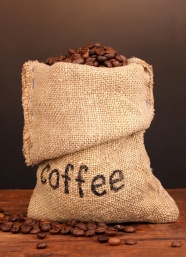
The practice of Guatemalan coffee beans fine coffee from the origin of Guatemalan coffee beans
Antigua coffee from Guatemala must be on the menu of some upscale cafes. People who like it always keep in mind its special smoke smell. Coffee has created prosperity for Guatemala. To this day, coffee still affects the Guatemalan economy. Antigua is the oldest and most beautiful city in America. As early as 1543
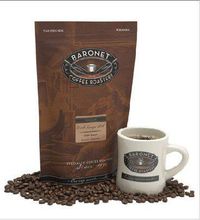
The characteristics of Guatemalan coffee beans the origin of Guatemalan baristas
The extra-hard coffee beans here are full-grained, delicious and balanced, and the coffee made with them is pure and rich. Guatemala coffee once enjoyed a reputation as the best quality coffee in the world, but its quality also declined for a time. What is gratifying, however, is that its reputation is gradually being restored. In 1750, Father Jesuit introduced coffee trees to Guatemala, at the end of the 19th century.

Boutique coffee Guatemalan coffee origin Guatemalan coffee practice
The extra-hard coffee beans here are full-grained, delicious and balanced, and the coffee made with them is pure and rich. Guatemala coffee once enjoyed a reputation as the best quality coffee in the world, but its quality also declined for a time. What is gratifying, however, is that its reputation is gradually being restored. In 1750, Father Jesuit introduced coffee trees to Guatemala, at the end of the 19th century.
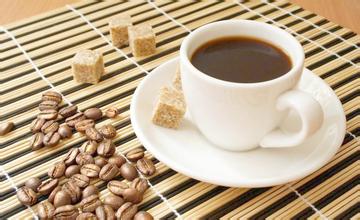
Boutique coffee Guatemalan coffee origin Guatemalan coffee practice
The extra-hard coffee beans here are full-grained, delicious and balanced, and the coffee made with them is pure and rich. Guatemala coffee once enjoyed a reputation as the best quality coffee in the world, but its quality also declined for a time. What is gratifying, however, is that its reputation is gradually being restored. In 1750, Father Jesuit introduced coffee trees to Guatemala, at the end of the 19th century.

Boutique coffee Guatemalan coffee origin Guatemalan coffee practice
The extra-hard coffee beans here are full-grained, delicious and balanced, and the coffee made with them is pure and rich. Guatemala coffee once enjoyed a reputation as the best quality coffee in the world, but its quality also declined for a time. What is gratifying, however, is that its reputation is gradually being restored. In 1750, Father Jesuit introduced coffee trees to Guatemala, at the end of the 19th century.

Boutique coffee Guatemalan coffee origin Guatemalan coffee practice
The extra-hard coffee beans here are full-grained, delicious and balanced, and the coffee made with them is pure and rich. Guatemala coffee once enjoyed a reputation as the best quality coffee in the world, but its quality also declined for a time. What is gratifying, however, is that its reputation is gradually being restored. In 1750, Father Jesuit introduced coffee trees to Guatemala, at the end of the 19th century.